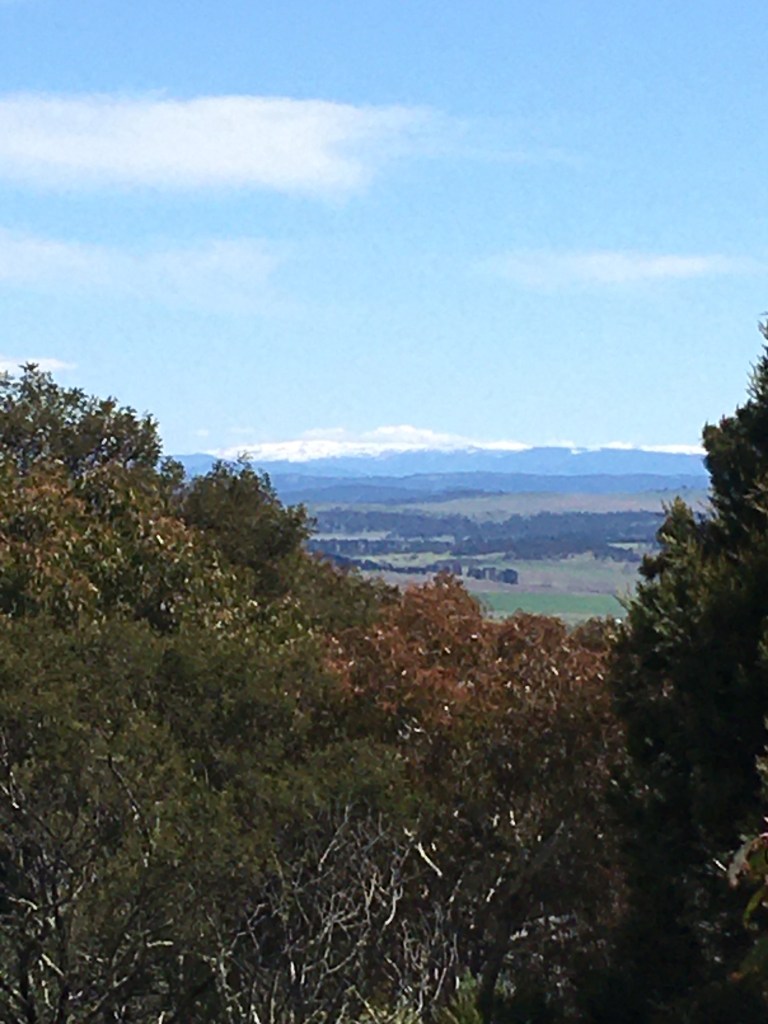
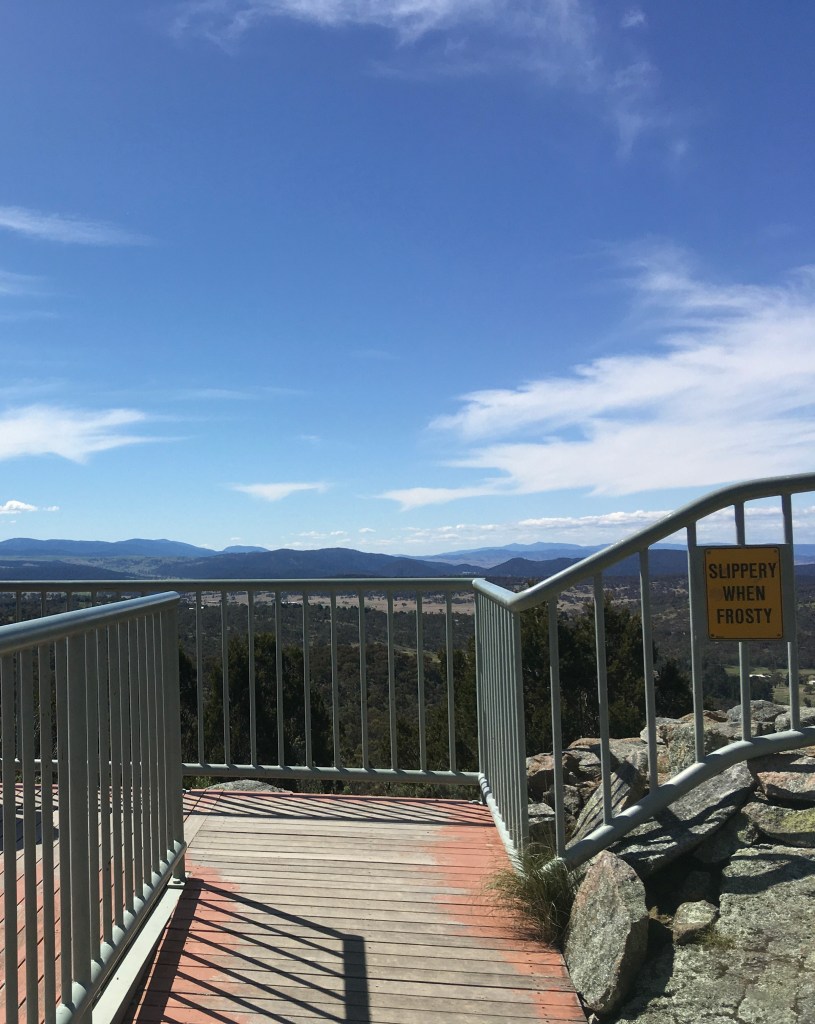

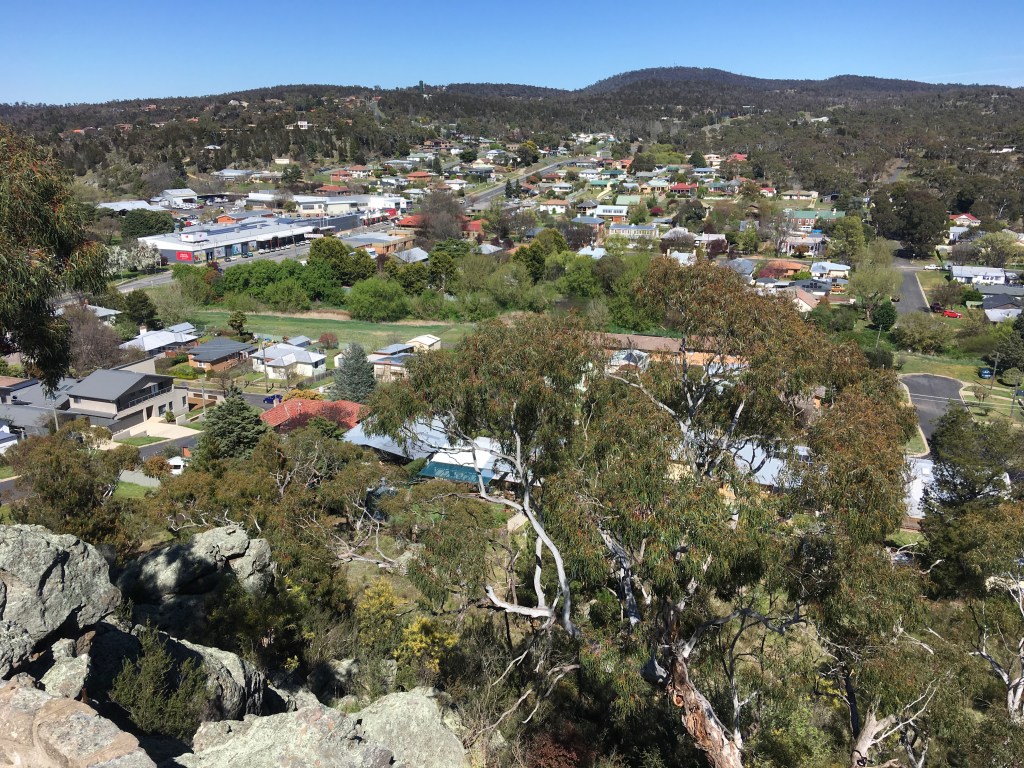
The Mount Gladstone Lookout and Nature Reserve sits in 125 hectares of native bushland less than four kilometres from the edge of Cooma township and offers magnificent views across the Monaro Plains and to the peaks of the Snowy Mountains.

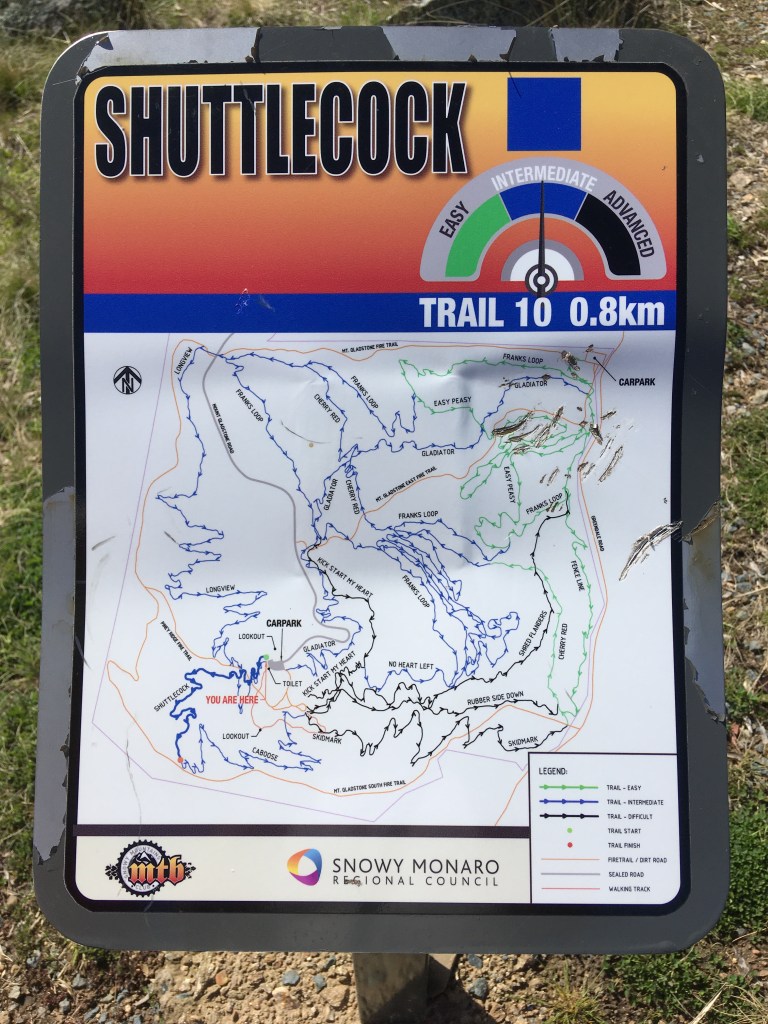
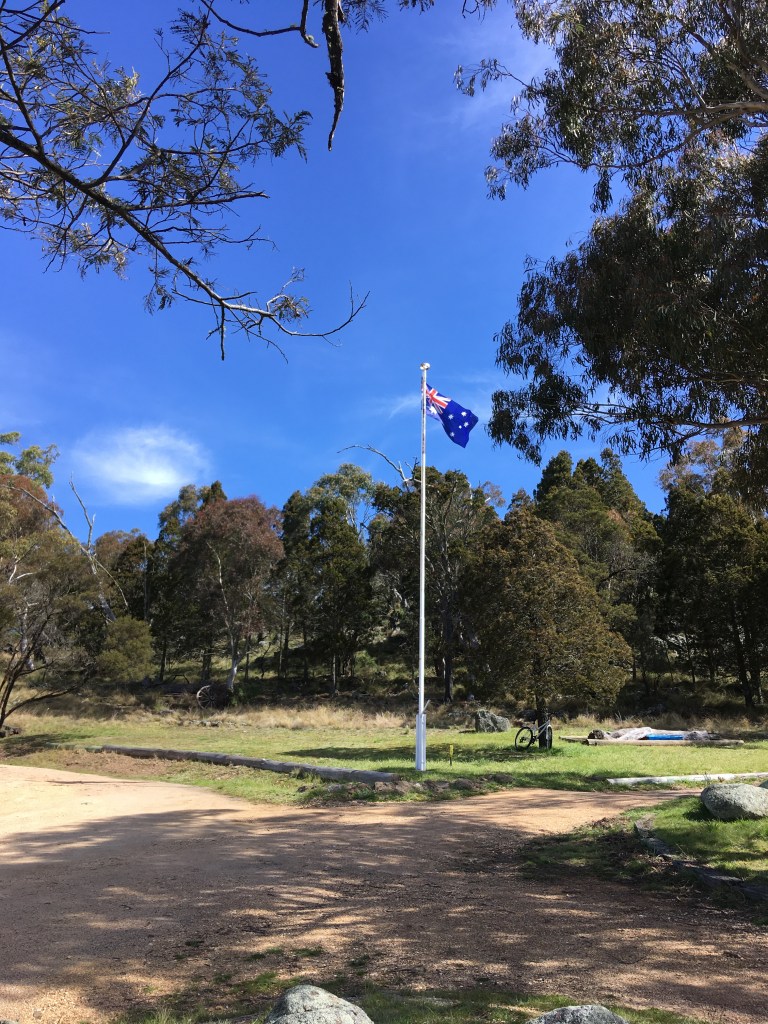
The Mount Gladstone Lookout and Nature Reserve sits in 125 hectares of native bushland less than four kilometres from the edge of Cooma township and offers magnificent views across the Monaro Plains and to the peaks of the Snowy Mountains.
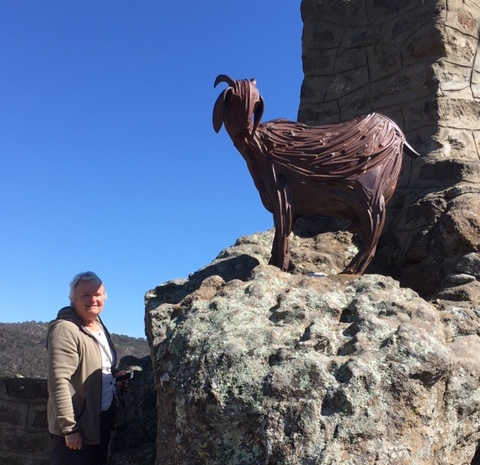
The sculpture of a nanny goat sits at the lookout and was created by local artist, the late Chris Graham.
Surveyed in 1849, Cooma is a town with a rich history approximately 400 kilometres southwest of Sydney. The discovery of gold permanently increased its population and brought prosperity to the township. The Snowy Scheme saw an influx of workers from Europe and dramatically changed the town’s character. Today, the township benefits from snow sports tourism which has become its driving industry.
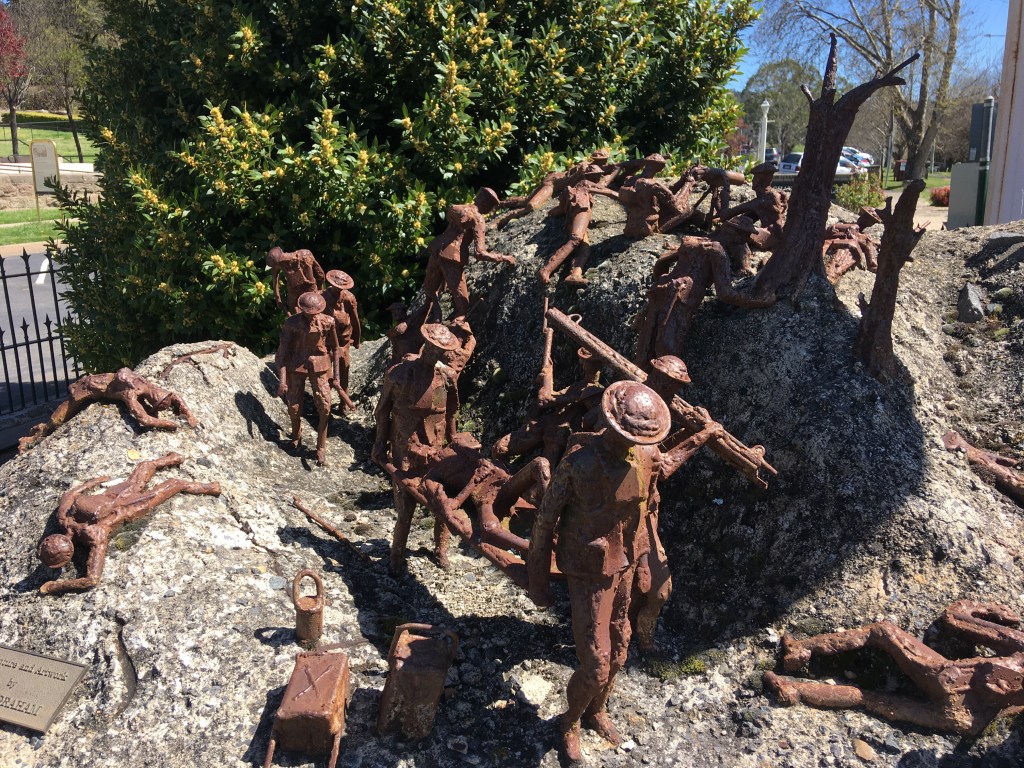
Part of the diorama depicts Corey as a stretcher-bearer in France during WWI and is based on a picture in the Australian War Memorial depicting stretcher-bearers saving wounded soldiers under heavy shellfire at Mont St Quentin during WWI.Corey enlisted in the Australian Imperial Force in January 1916 after marching from the Snowy Mountains to Goulburn, some 200kms away, to do so. He went on to become the only soldier in the British Commonwealth to have ever been awarded the Military Medal and three bars (essentially four Military Medals). He won two in 1916 and a further two in 1918 for aiding wounded soldiers in his role as stretcher-bearer. Corey, who not only survived the war but lived to 1972 (81yrs old), always took pride in saying that, as a stretcher bearer, he was decorated for saving life, not taking it. This diorama was created by local sculptor the late Chris Graham.

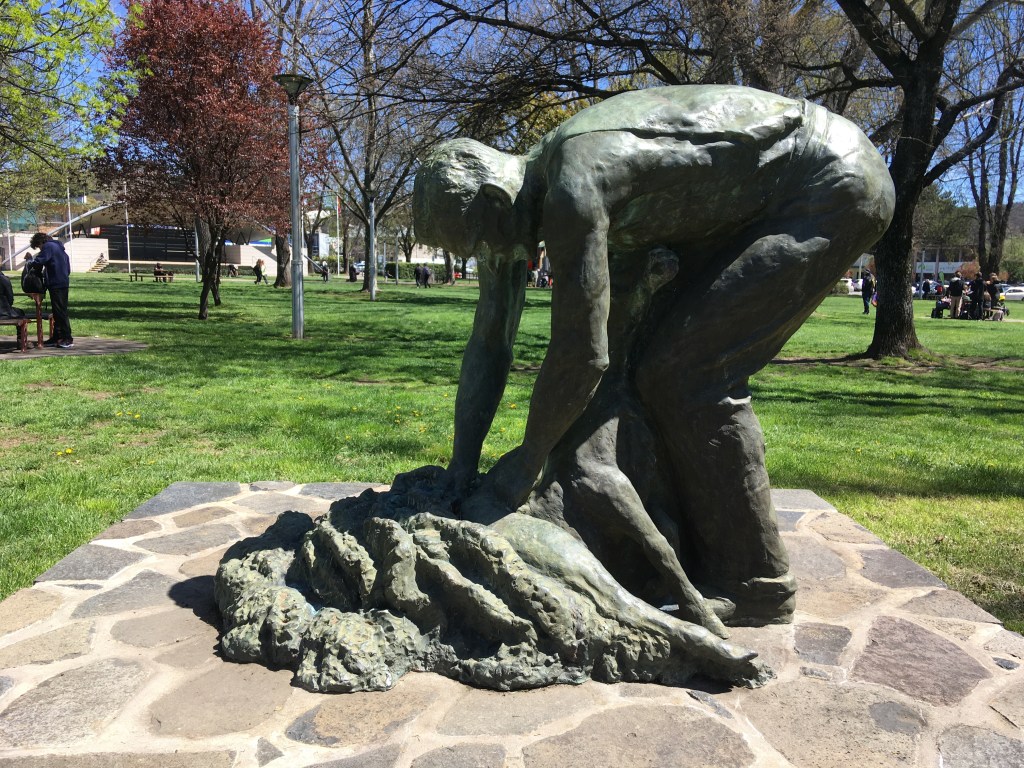
Banjo Paterson, (Andrew Barton Paterson), Australian poet and journalist noted for his composition of the internationally famous song “Waltzing Matilda” and poem The Man From Snowy River. https://trishansoz.com/trishansoz/man-from-snowy-river/man-from-snowy-river.html


The weather forecast for Sunday was awful but the expected rain had passed by 10am our intended departure time. With the obligatory luggage photos taken and the car packed we set off for Cooma via Goulburn.
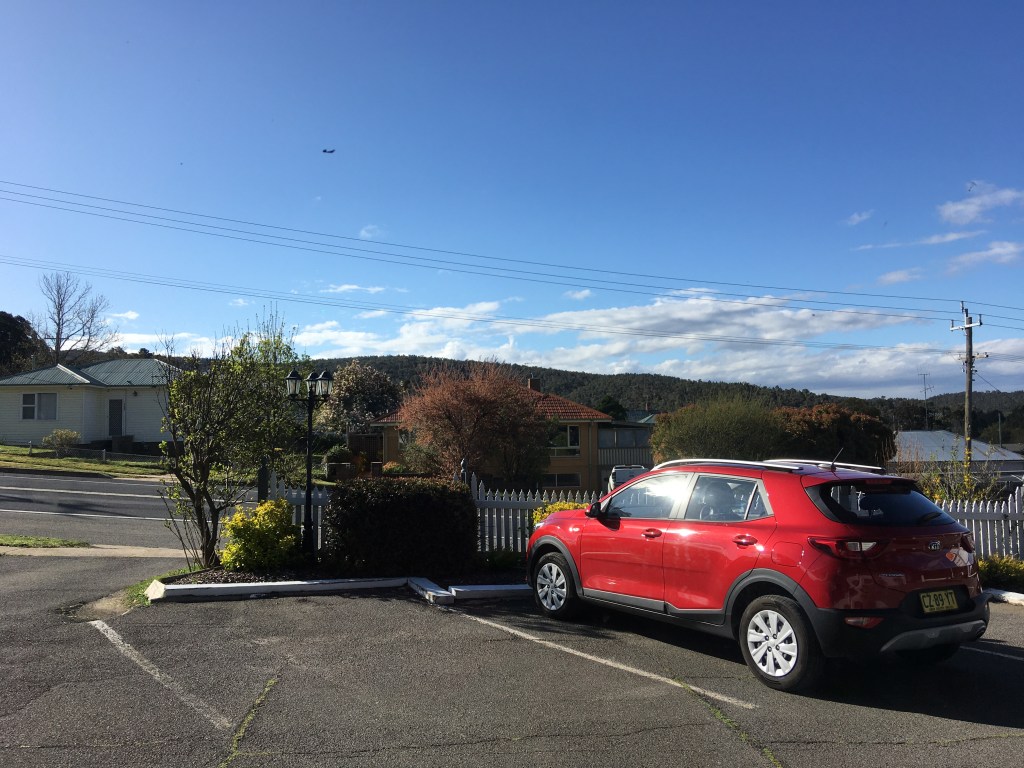
We’re getting used to our upgraded Kia SUV, and now we have booster seats and backrests we can both see out of the windows. (Thank you Paul).
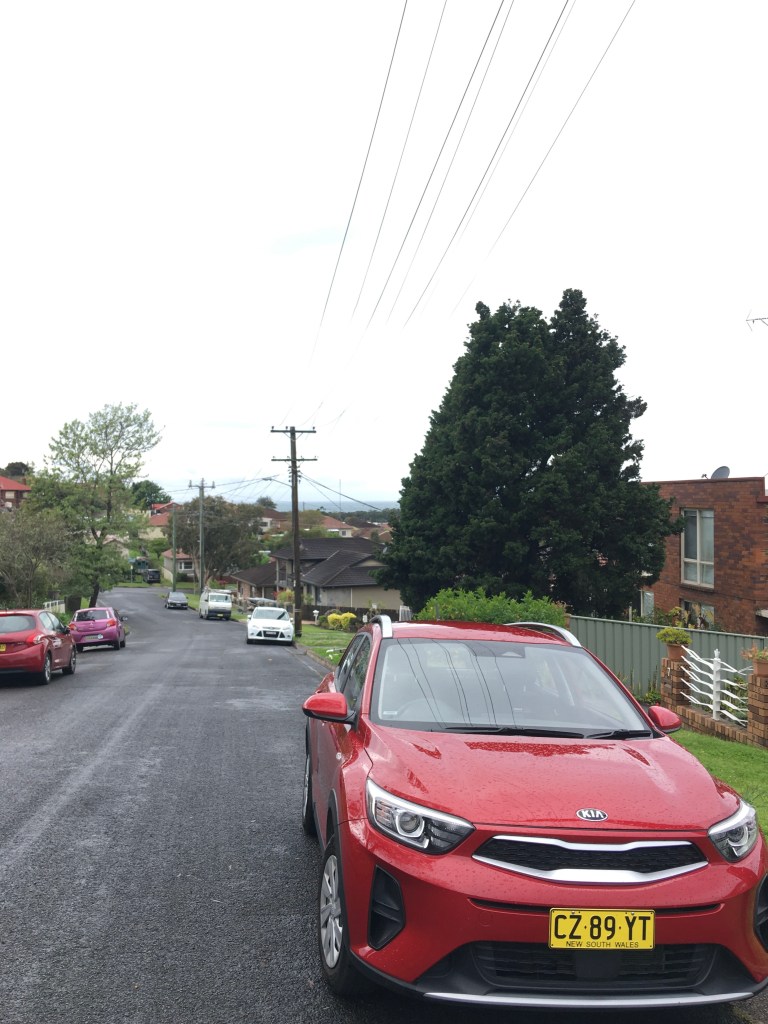
We set off on time for the Hume highway southwest towards Goulburn, an uneventful journey with a few light showers nothing like the torrential rain we’d had the previous night. It’s the end of a two week school holiday here so the roads were inevitably busy.
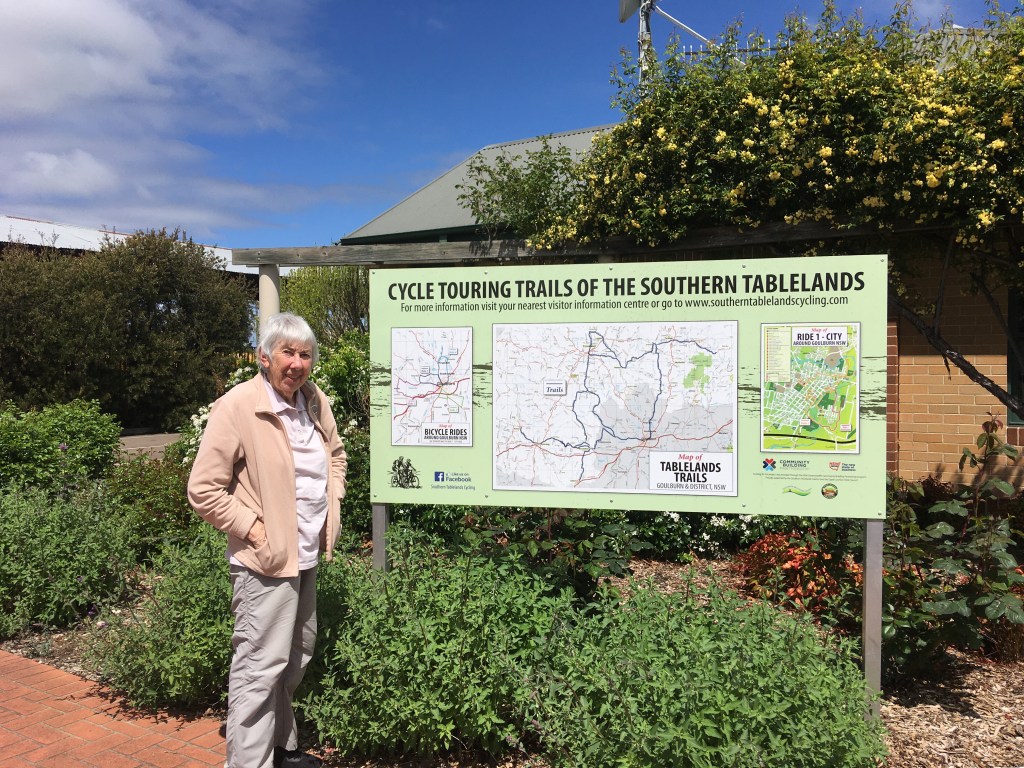
We stopped for lunch a break and at the information centre to get some up to date maps of the area, all the ones we had were over 10 years old… some more than 20! A lot of roads unsealed roads have been upgraded in the last few years.
The region was traditionally a meeting place for many Aboriginal groups, then in 1818 Hume and Meehan first crossed the area where Goulburn was settled, 45 years later, Goulburn was declared Australia’s first inland City by a royal letters patent, issued by Queen Victoria.
Goulburn grew strong agricultural roots from the profitable wool industry. A short-lived gold rush in the region and the development of the rail system further benefited the City’s growth.
One of the attractions here is the Big Merino.
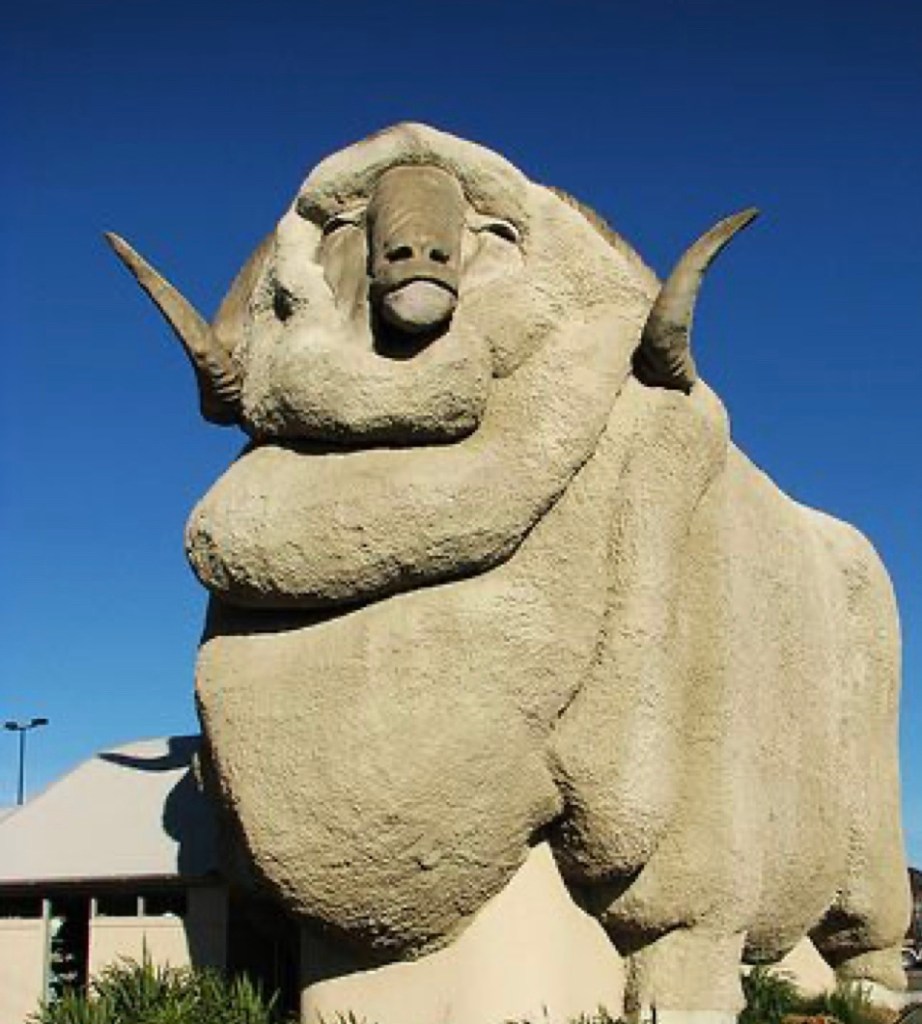
There is so much more to see here, we will have to come back another time.
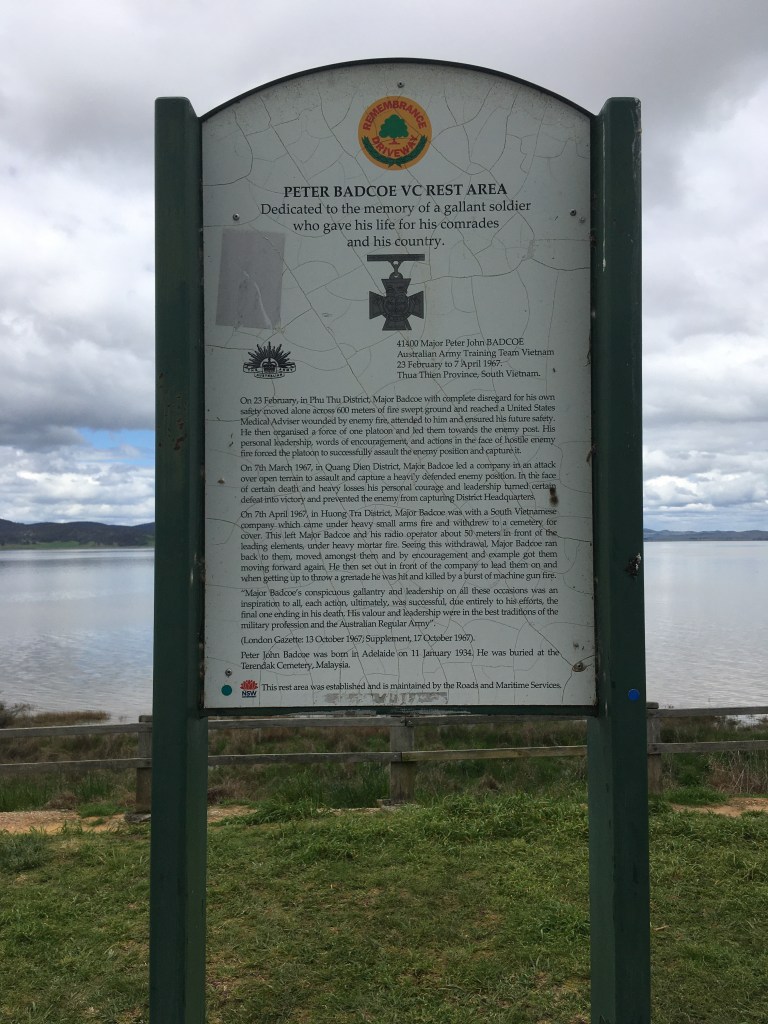
Back on the Hume Highway we pared off left down the Federal Highway merging with the Remembrance Driveway which is part of a memorial system of woodland parks, plantations and roadside rest areas providing a living memorial to honour those who served in the Australian Defence forces in WW2, the Korean War, Malayan Emergency and Vietnamese war, and who continue to serve around the world. The most prominent feature of the Driveway is a series of rest areas dedicated in honour of the Australian Victoria Cross recipients from WW2 onwards

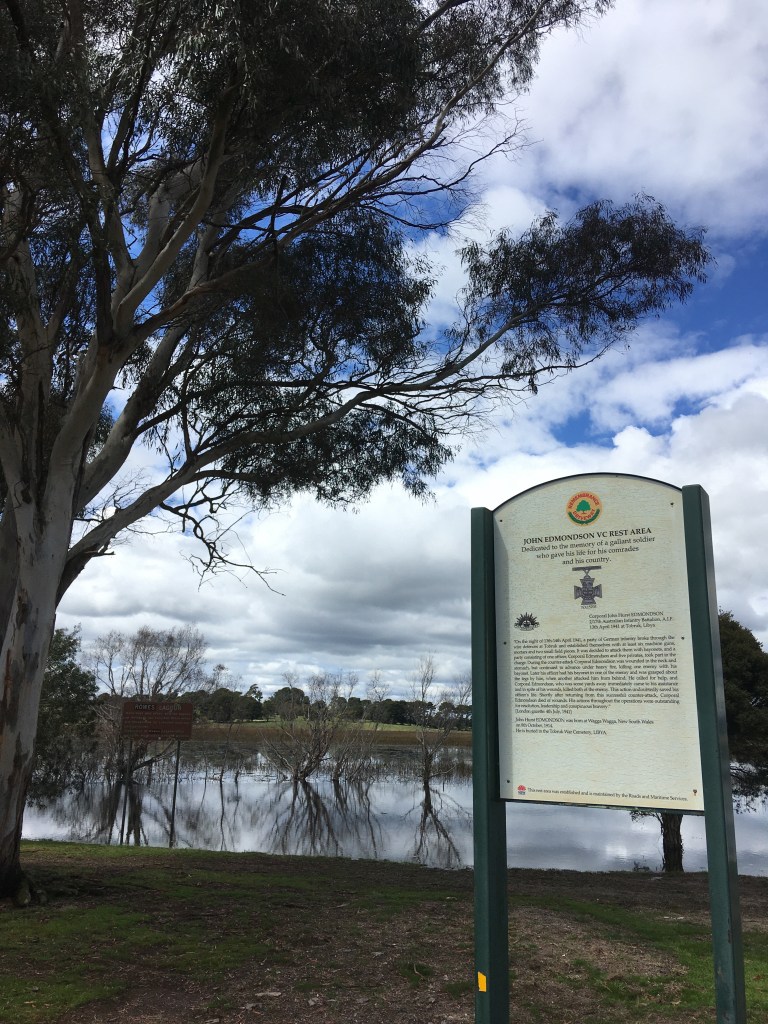
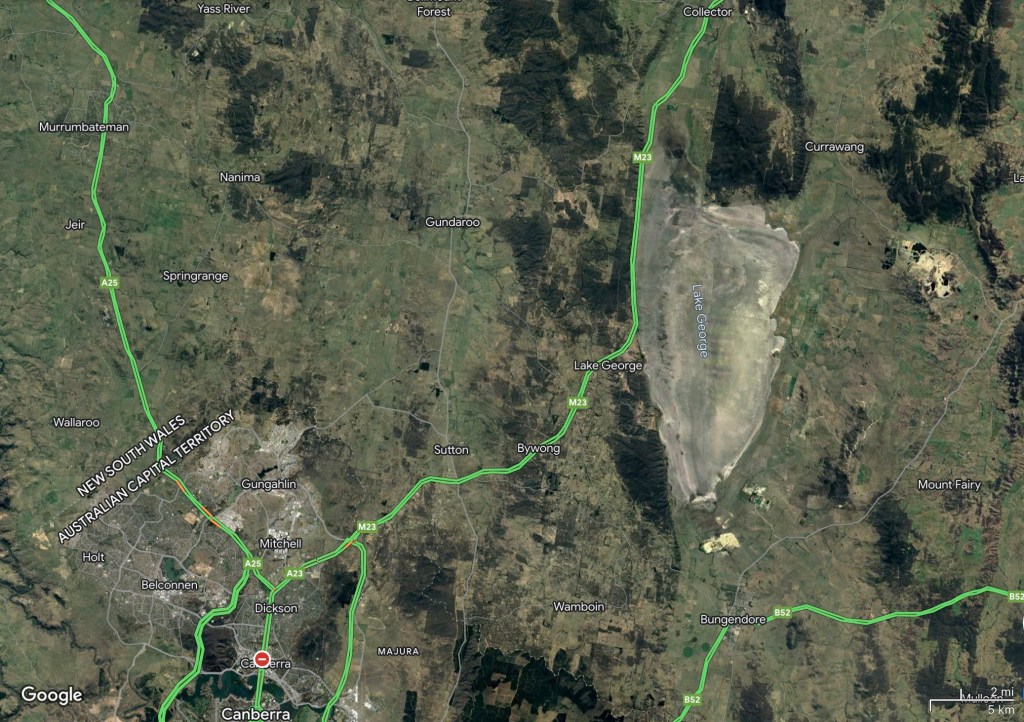
http://www.geomaps.com.au/scripts/lakegeorge.php
Since all the recent rain the lake is now properly full and supporting wildlife sound on and hear the frogs….
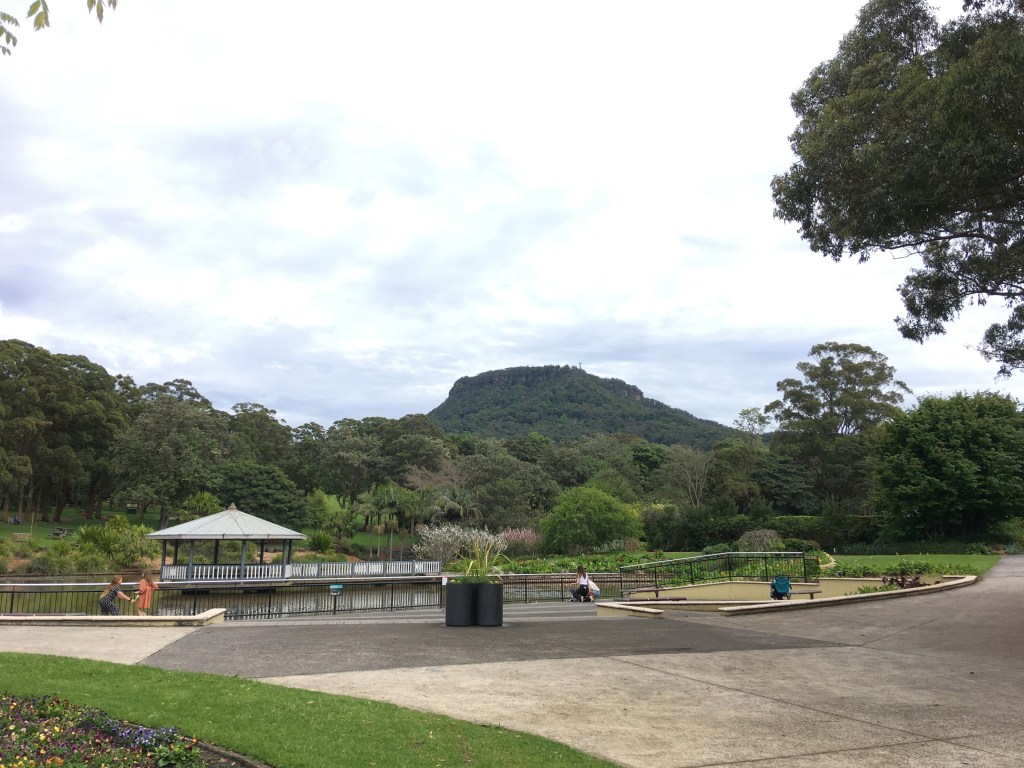
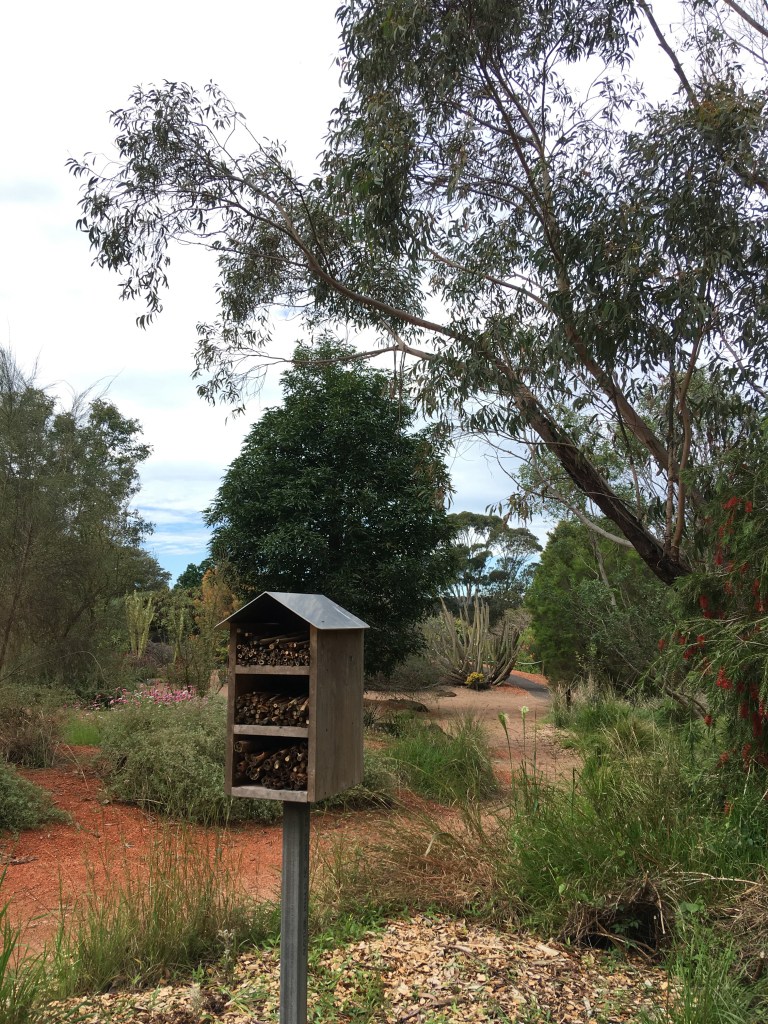
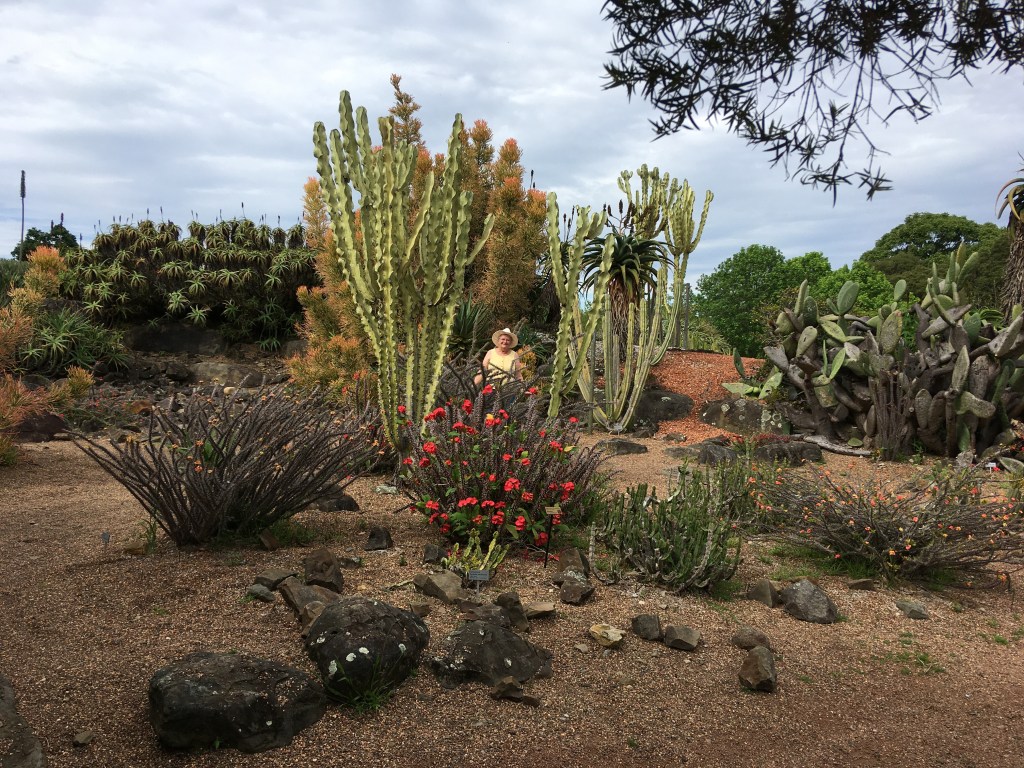
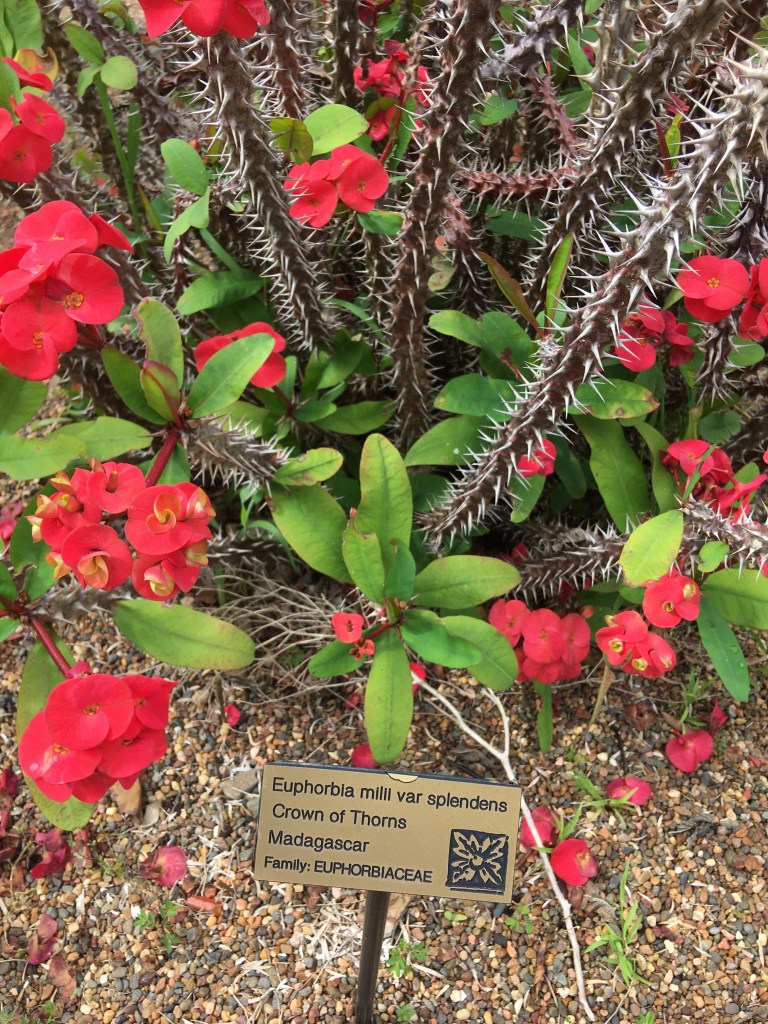
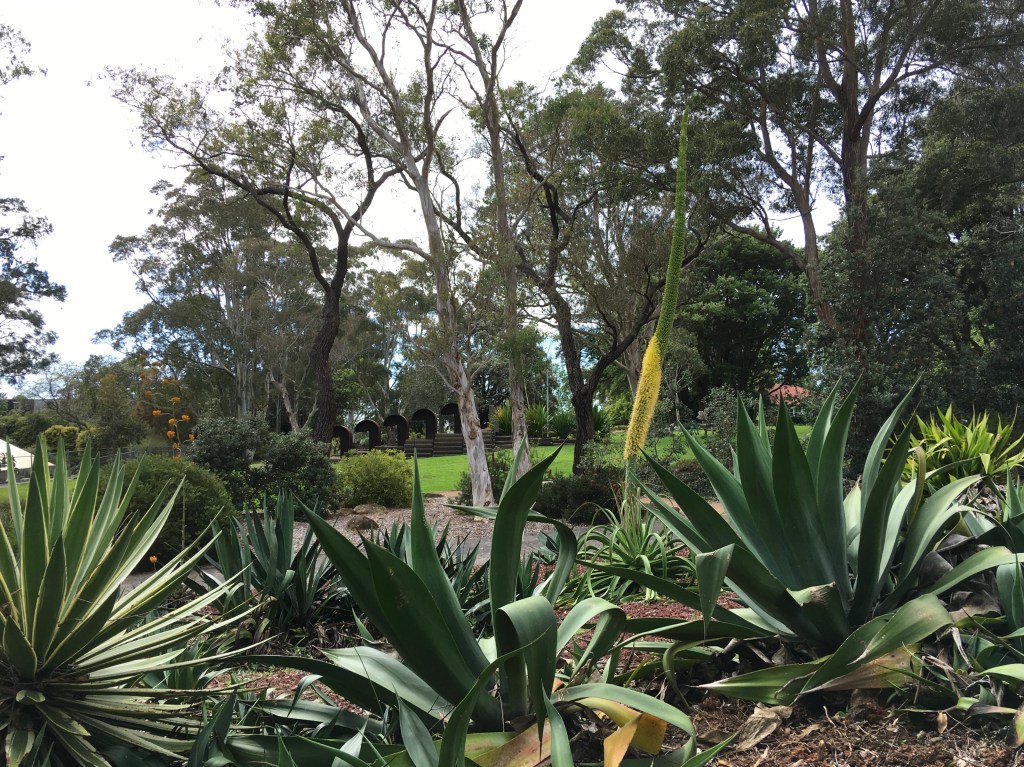
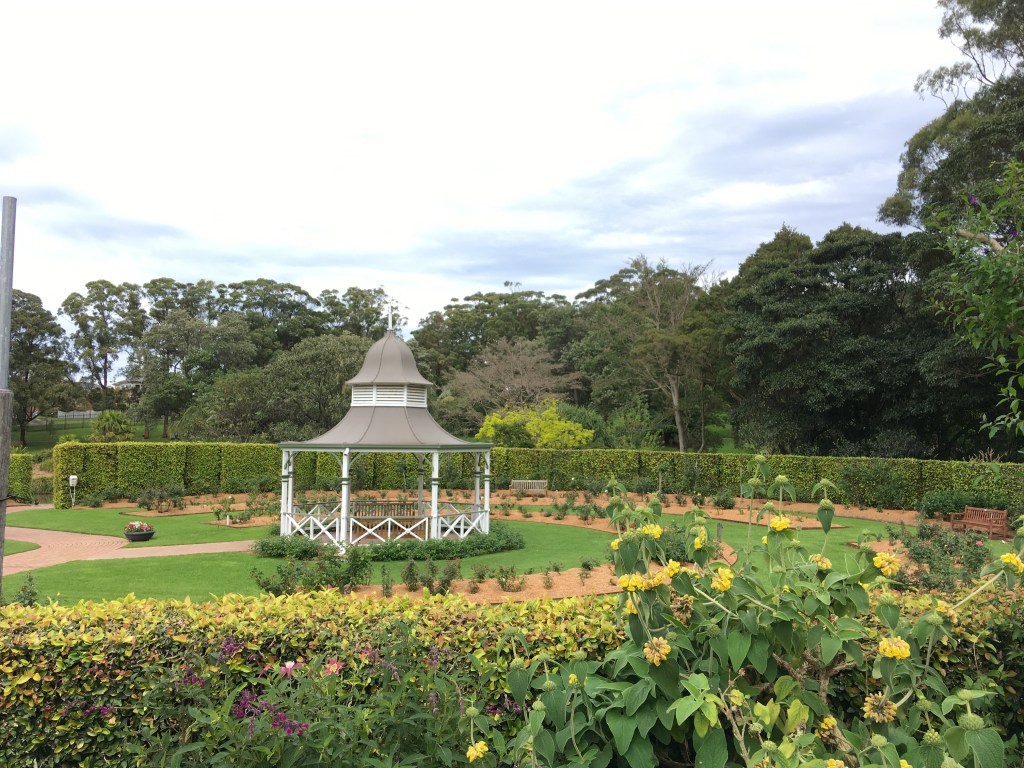
Wollongong Botanic Garden has a long, interesting history. The site was originally inhabited by local Aboriginal peoples, the Dharawal, who occupied the land for tens of thousands of years and remain the Custodians of the Land. After European settlers arrived in the 1800s, the land was mostly used for farming. It changed hands several times, before being bought by the Hoskins family in 1929. The Hoskins built their home Glennifer Brae on the site in the late 1930s, and the house still stands today within the Botanic Garden. In the 1950s, the Hoskins dedicated a large part of their land to Wollongong City Council to create a Botanic Garden. Eventually, the Botanic Garden officially opened to the public in January 1971. Over the years, new collections and features have been added to the Garden and today it is one of Wollongong’s most popular attractions for visitors and residents. As well as providing a place for people to enjoy nature, the Botanic Garden plays an important role in the conservation of local plants.
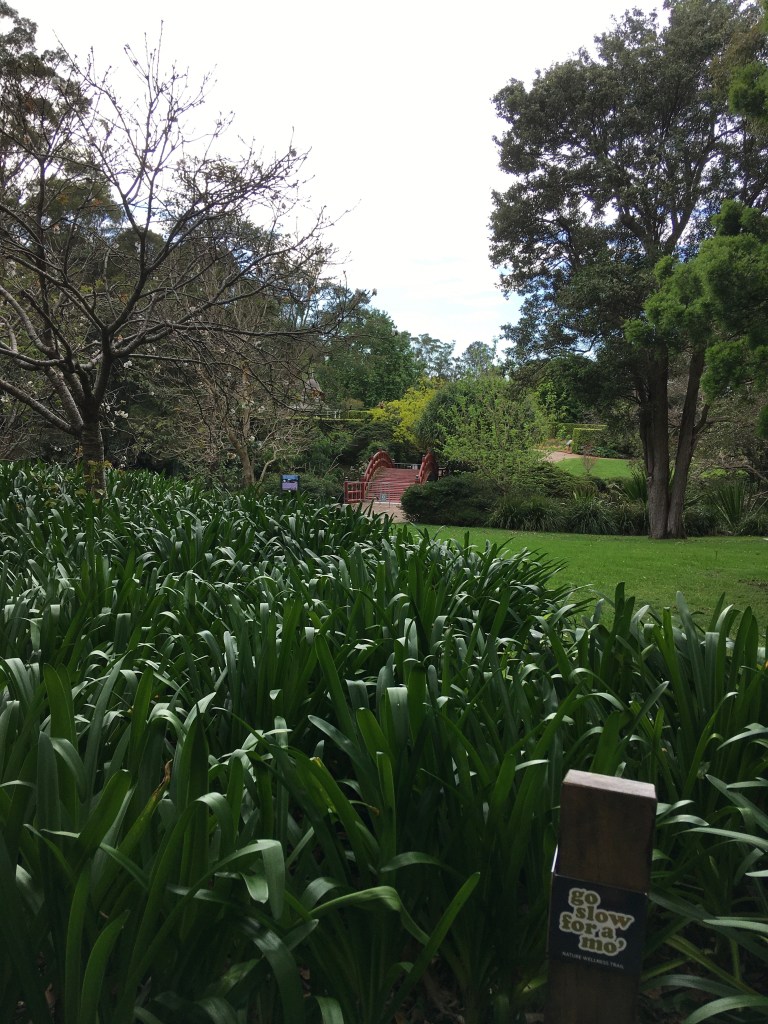
The traditional Japanese bridge and tea house were presented as a gift to the City of Wollongong from the City of Kawasaki in 1993 to mark the fifth anniversary of the Sister City relationship. The shape of the bridge is called taiko-bashi (drum bridge) in Japanese.

In the background the Mercury Fountain started its life in the centre of Wollongong. Presented to the city by The Illawarra Mercury to mark the newspaper’s 125th anniversary in 1980.



 Gladtidings